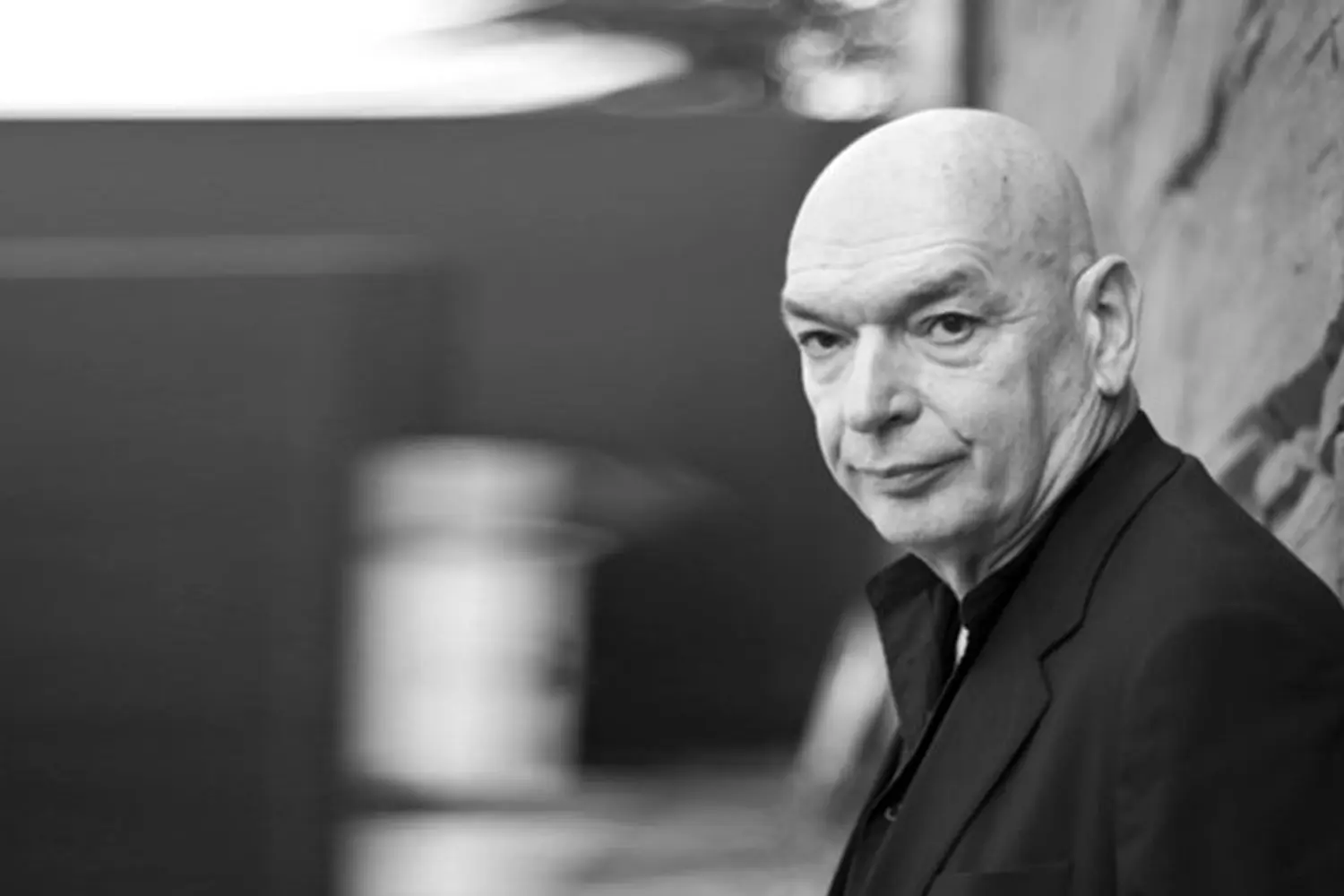
Jean Nouwen, a prominent French architect, was born on August 12, 1945 in Fommel, France.
He is known for his innovative designs and has received numerous awards, including the Pritzker Architecture Prize in 2008 and the Aga Khan Award in 1989.
His notable works include the following:
The Louvre Abu Dhabi
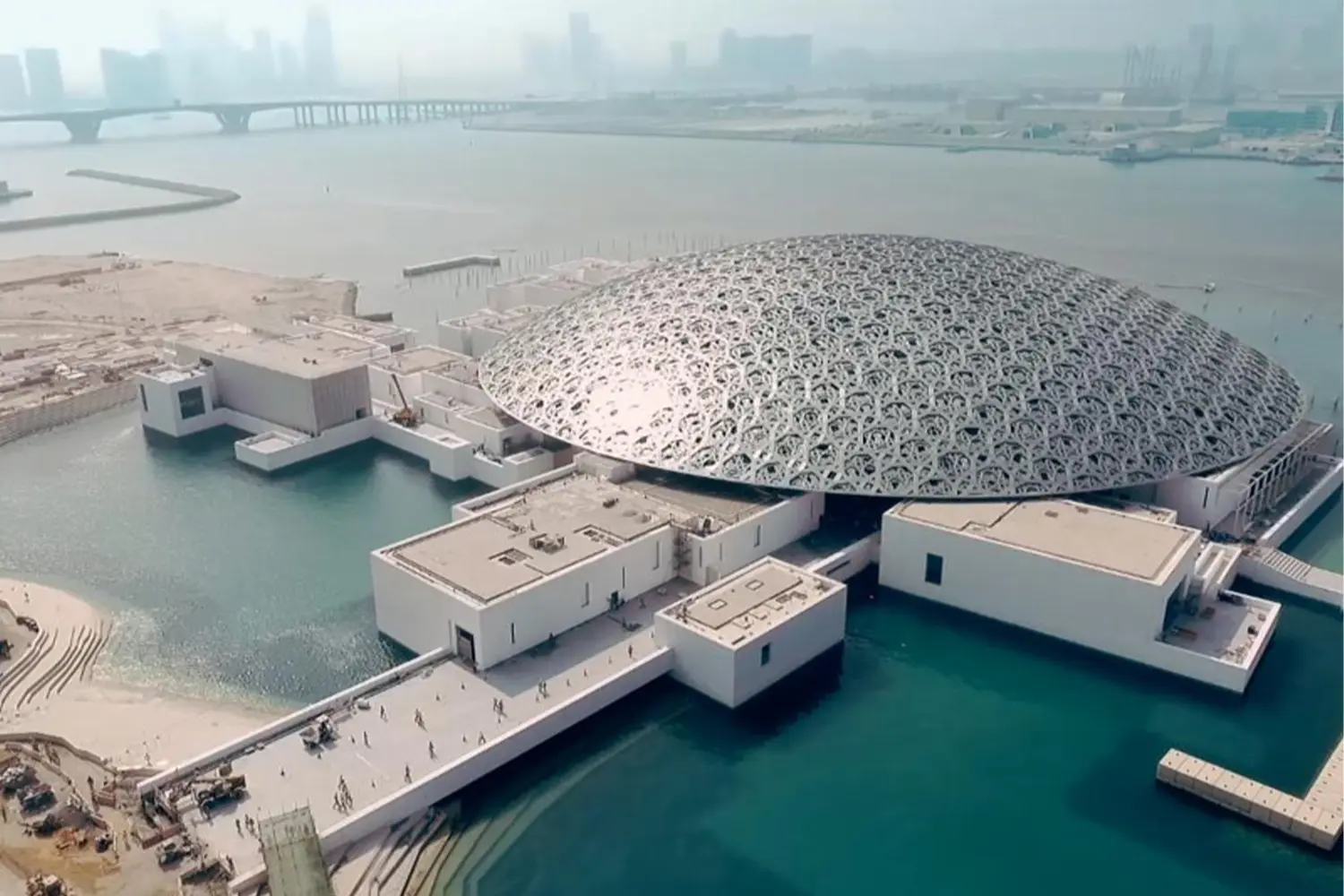
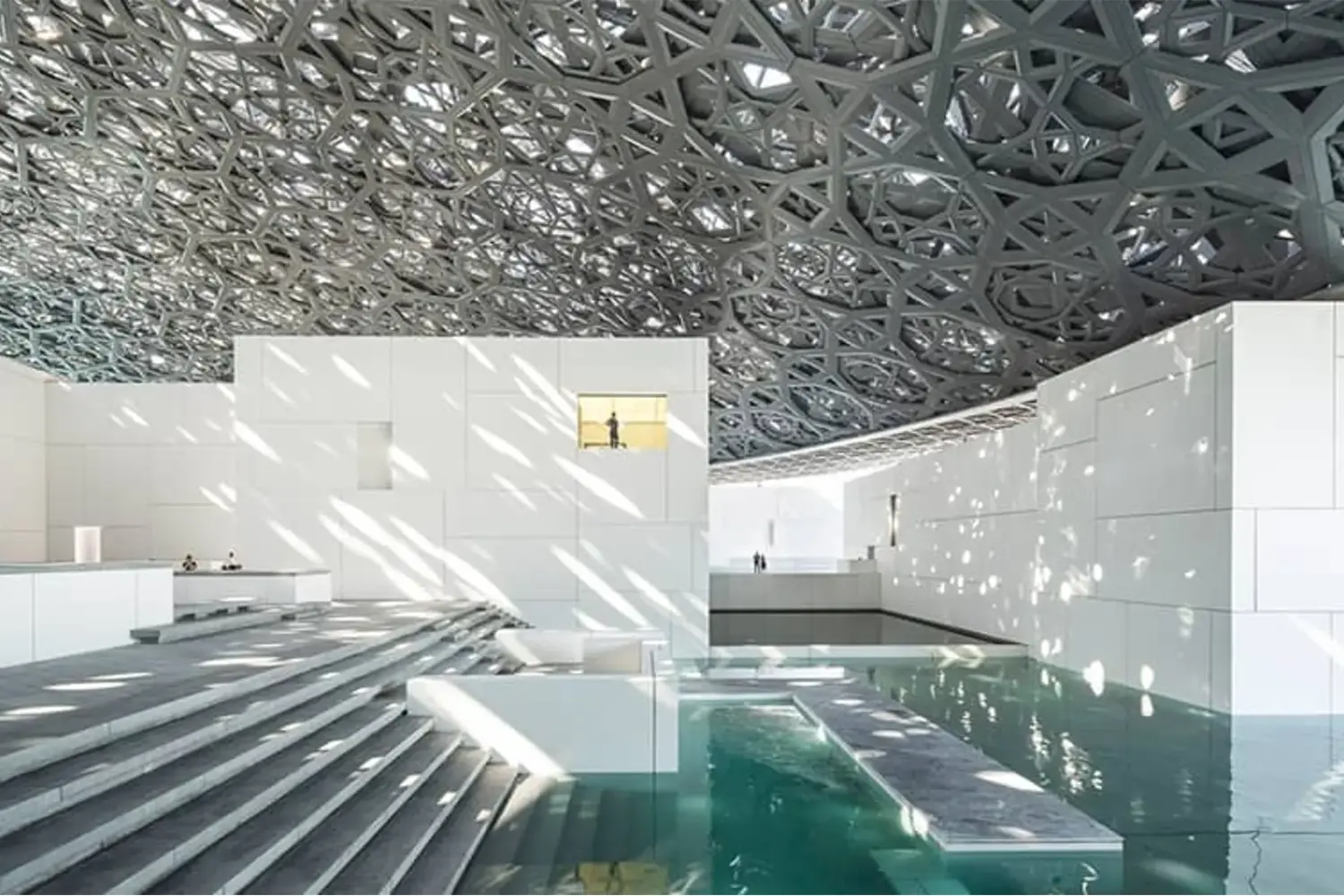
The Louvre Abu Dhabi is one of the world’s leading art and civilization museums, located on Saadiyat Island, Abu Dhabi, United Arab Emirates. The museum opened on 8 November 2017 and is part of a thirty-year agreement between the city of Abu Dhabi and the government of France.
Outstanding features of the museum :
- Stunning Architecture: Designed by Jean Nouvel, the museum features a domed ceiling made up of 7,850 stars, beautifully directing natural light into the space, creating a unique atmosphere.
- Diverse art collections: This museum contains artworks from around the world, aiming to create a bridge between Eastern and Western art.
- Large area: With an area of approximately 24,000 square meters, this museum is considered the largest art museum in the Arabian Peninsula.
The National Museum of Qatar
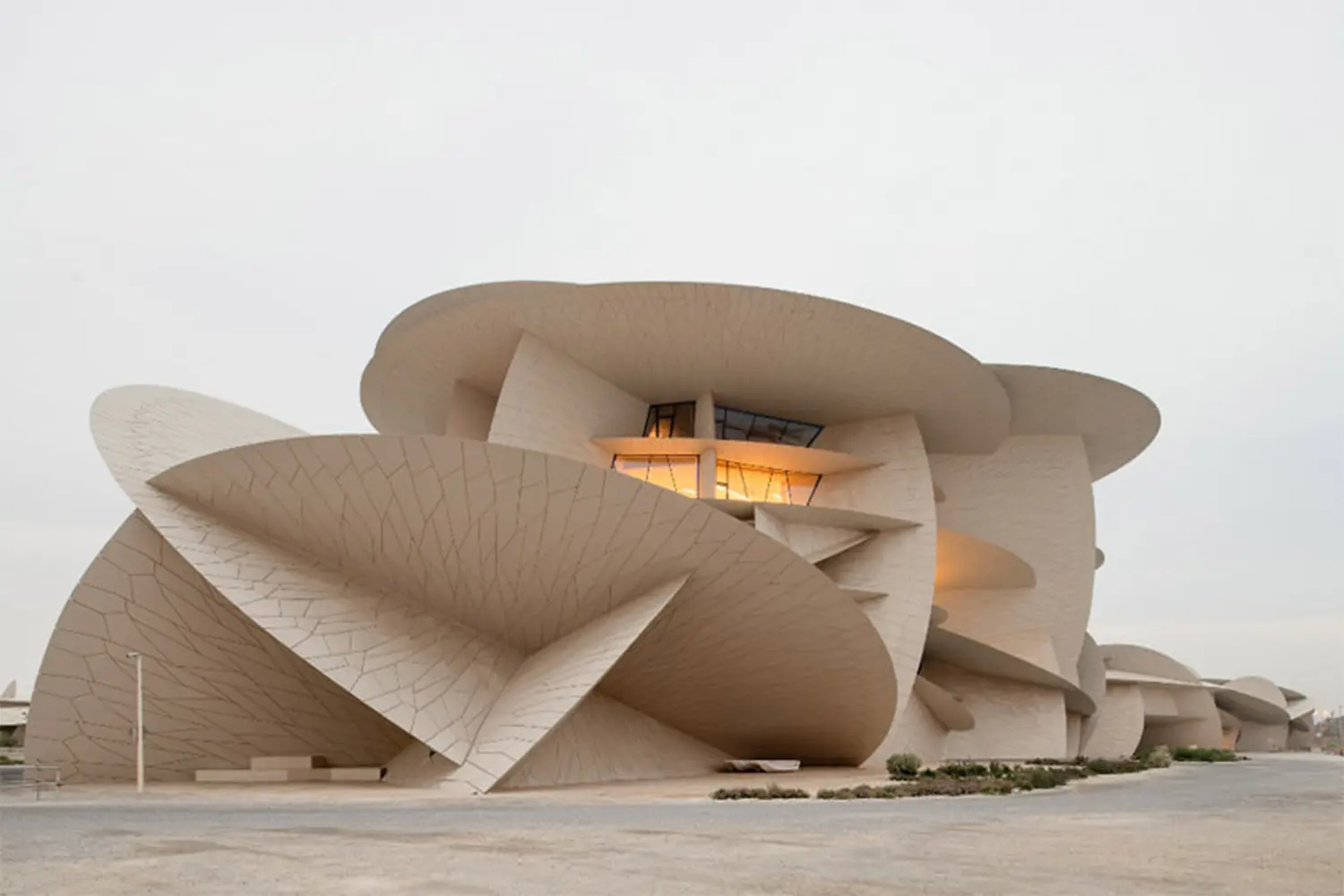
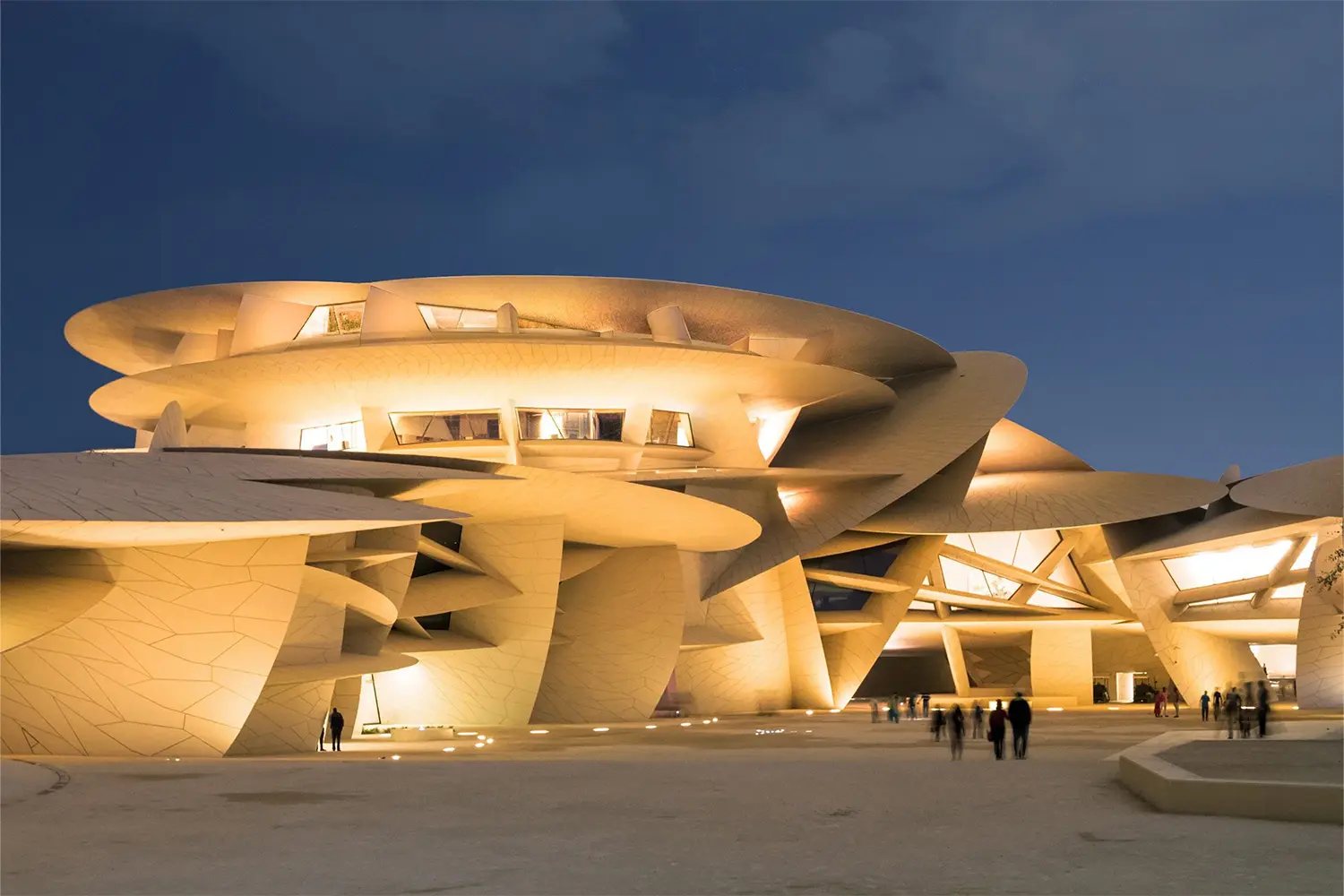
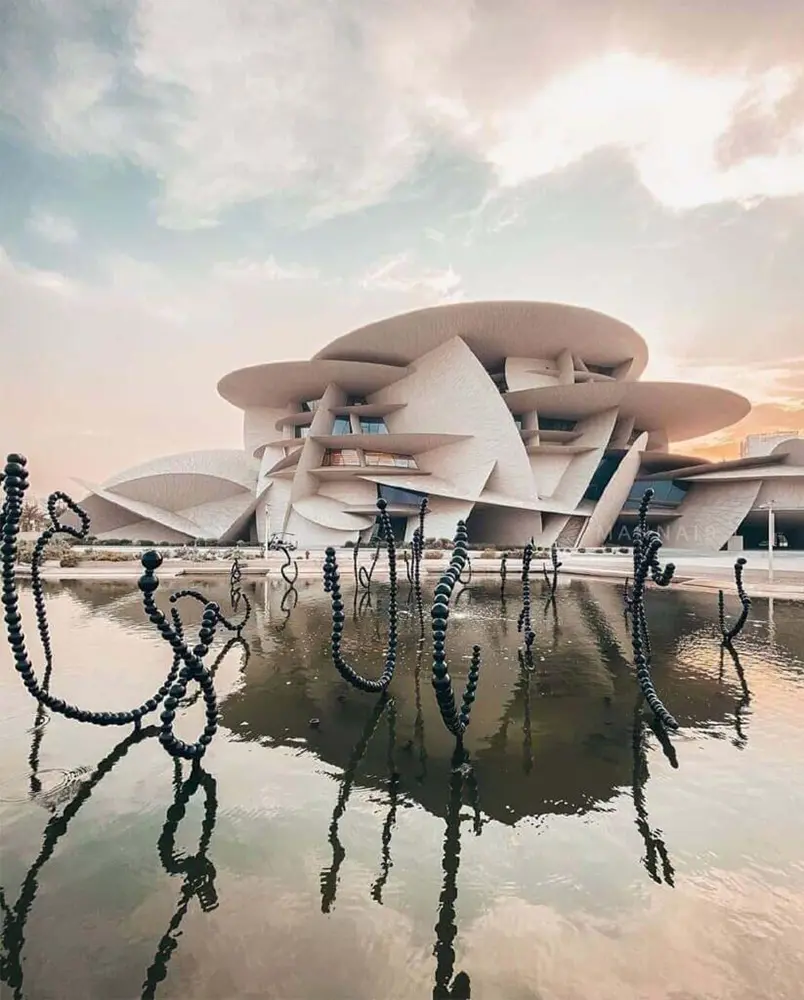
The National Museum of Qatar is one of Jean Nouvel’s most prominent architectural works, located in Doha, Qatar. The museum opened on March 28, 2019, and its design is inspired by the desert rose, a symbol of Qatar’s nature and local culture.
Outstanding architectural features of the museum:
- Unique structure: The museum building is made up of curved, intersecting discs that create a look similar to a desert rose.
- Interaction with the environment: The museum is designed to protect visitors from the intense desert heat and enhance the sense of connection with nature.
- Modern interior: The museum consists of three main sections that depict the history of Qatar from the past to the modern era.
Arab World Cultural Institute
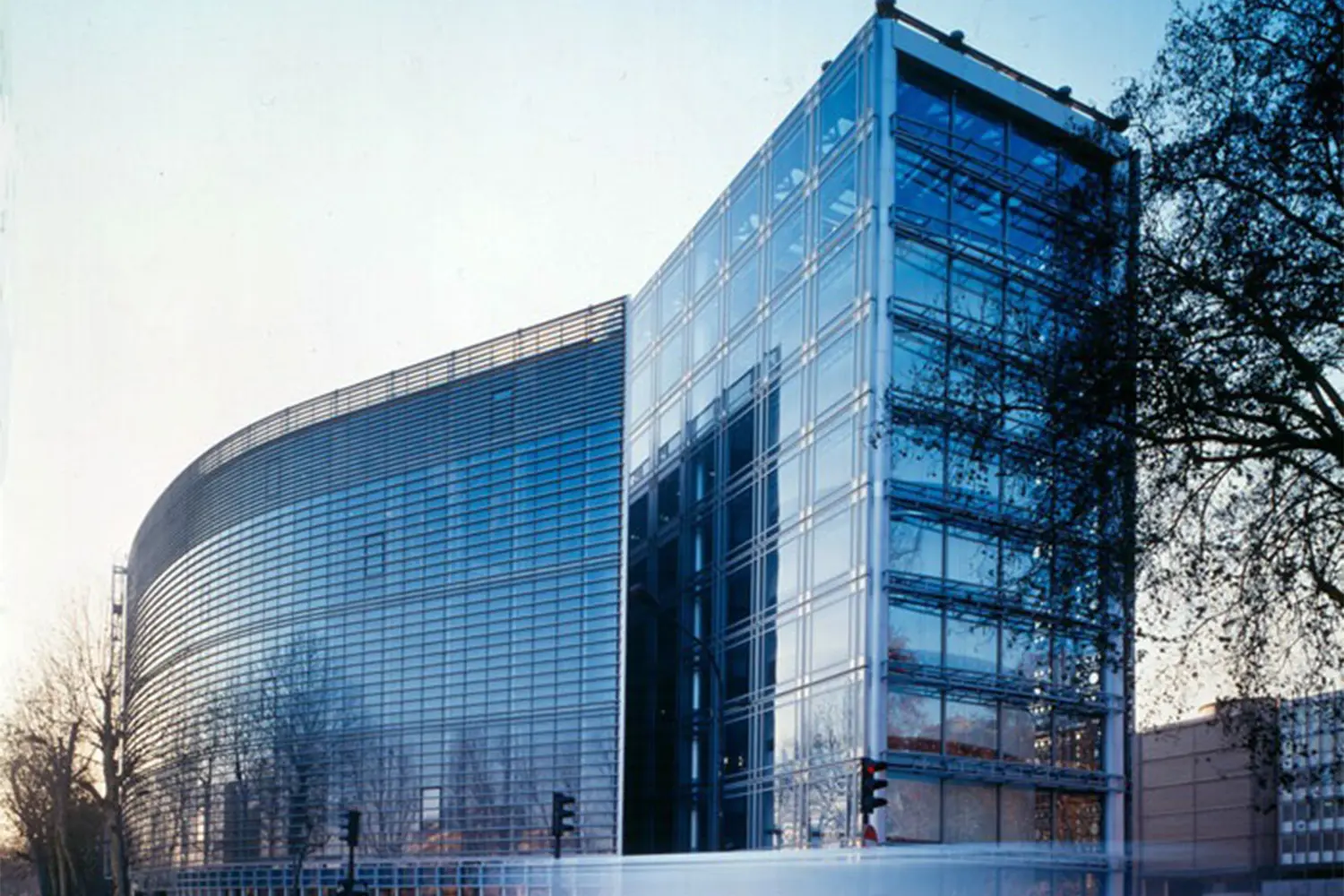
The Arab World Cultural Institute in Paris, France, is one of Jean Nouvel’s most prominent architectural works, inaugurated in 1987. The institute was established with the aim of fostering cultural exchange between the Arab world and France, acting as a bridge between Arab and Western civilizations.
The prominent architectural features of this institution include:
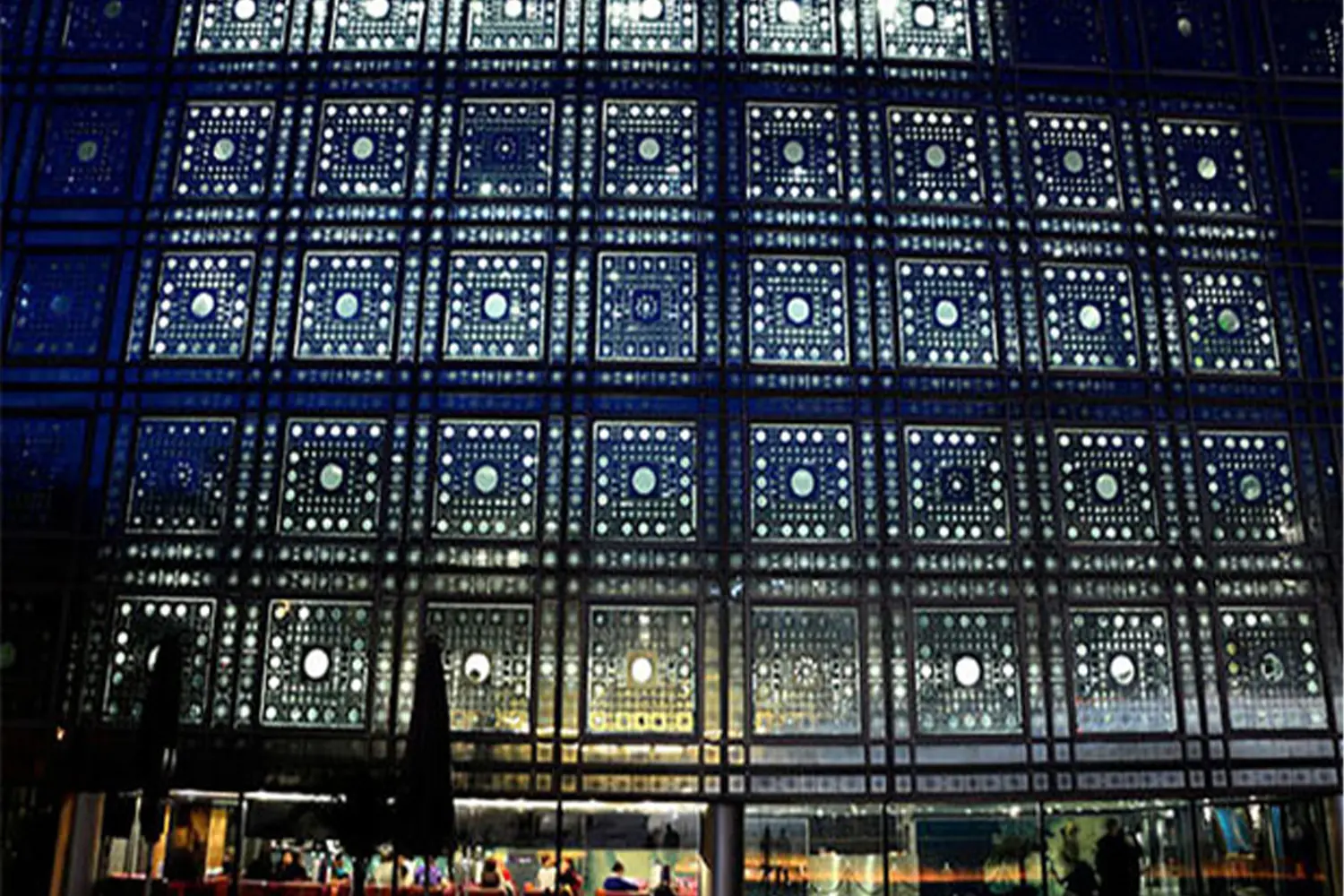
- Exterior with light apertures: The building’s southern facade features intricate metal panels inspired by traditional Islamic architectural latticework. These panels are equipped with apertures that automatically adjust and open and close with changing sunlight to beautifully bring natural light into the building.
- Combining tradition and modernity: The institute’s design combines elements of traditional Arabic architecture with modern technologies. This intelligent design reflects respect for Arabic culture while utilizing advanced facilities.
- Multifunctional function: The building includes a museum to display artistic and cultural works, a library, conference and exhibition halls, all of which help to foster interaction between Arab and European cultures.
- Outstanding geographical location: The institute is located along the Seine River in Paris, and its location in the heart of a major cultural center gives it added value.
The Doha Tower
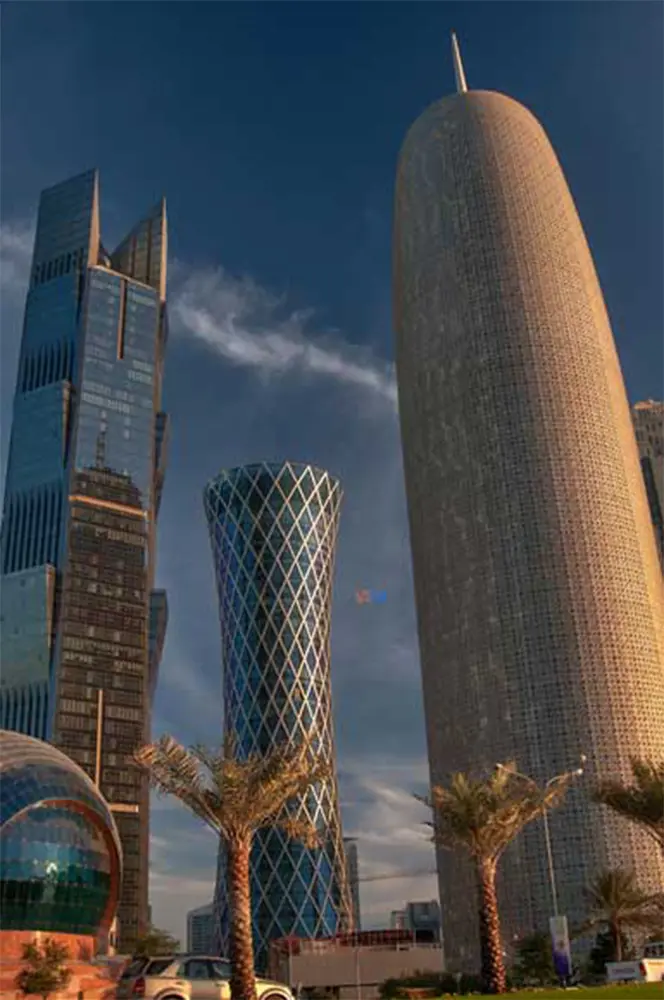
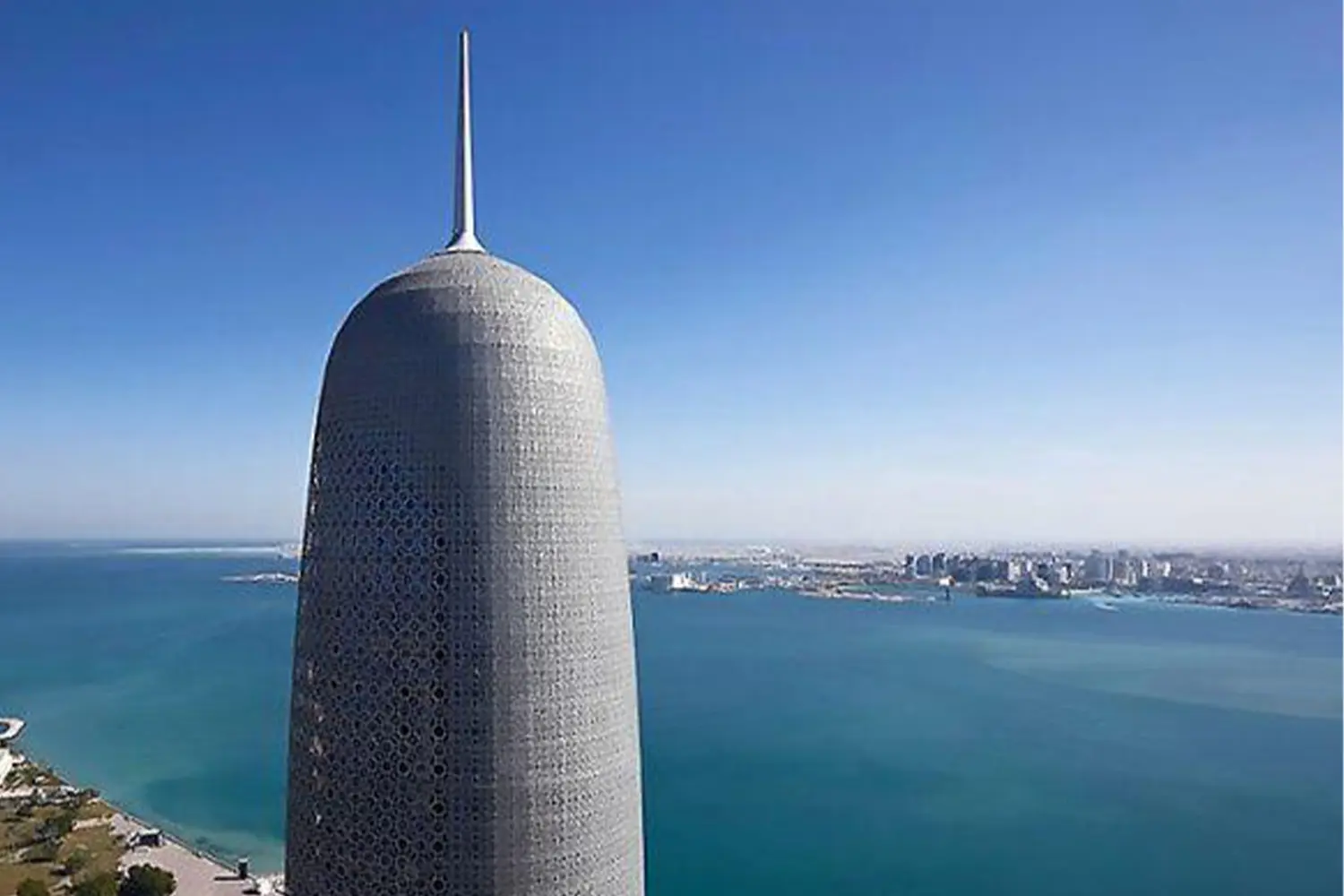
The Doha Tower, a masterpiece of Jean Nouvel’s architecture, was completed in 2012 in Doha, Qatar. Standing 238 meters tall and 46 stories tall, the tower combines modern design with inspiration from traditional Islamic architecture. The tower’s facade is made up of metal louvers that beautifully filter the light and create artistic shadows.
These features include:
- Islamic lattice facade: Doha Tower has designed its exterior using the mashrabiya, a traditional pattern in Islamic architecture. In addition to being beautiful, this metal grid filters sunlight and plays a significant role in reducing heat entering the building.
- Circular Form: The cylindrical design of the tower, without the use of sharp angles, contributes to the harmony and continuity of the form and presents a fluid and modern appearance.
- Sustainable Design: The Doha Tower utilizes sustainable architectural principles, including reducing energy consumption and using mesh awnings to control temperature.
- Use of Islamic culture and art: The design of the tower’s facade is inspired by traditional Qatari architectural patterns and Islamic art, making it a cultural symbol.
- No traditional internal skeleton: This tower lacks traditional skeletonization and utilizes advanced technologies to achieve an open and multipurpose interior space.